
Teeth Whitening Options Compared: In-Office Treatment vs At-Home Kits vs Whitening Toothpaste
Whitening toothpastes remove surface stains only and cannot change intrinsic tooth color.
How Each Whitening Method Actually Works
The core difference between whitening methods comes down to chemistry and concentration. A licensed dentist applies them directly to the teeth. At Renov Dental Group, we apply these high-concentration gels with precision to ensure maximum safety and efficacy during your appointment. Many in-office systems activate the peroxide gel with an LED lamp or laser light source. This accelerates the oxidation reaction. Faster visible results appear within a single appointment. Before any gel is applied, the dentist isolates your gums using a barrier gel or rubber dam to protect soft tissue from high-concentration bleach. This protective step is what makes high-strength in-office treatment safe. Without it, concentrated peroxide can cause chemical burns to gum tissue. At-home methods use significantly lower concentrations, typically 6% to 14% (rankmydentist.com) hydrogen peroxide in OTC strips, or 10% to 22% carbamide peroxide in dentist-dispensed trays, applied over days or weeks. Whitening toothpastes work differently: they rely on mild abrasives like hydrated silica and polishing agents to scrub away extrinsic surface stains. A 0.75% H2O2 whitening toothpaste produces limited lightening compared to a 2.8% H2O2 whitening gel in controlled studies (ijcpd.org). Only peroxide-based products alter the intrinsic color of enamel and dentin. Toothpaste simply cannot.
The Science Behind Peroxide-Based Whitening
Hydrogen peroxide breaks down into free radicals. These penetrate the enamel matrix and oxidize chromogen molecules. Chromogens are organic compounds responsible for tooth discoloration. They become trapped in enamel and dentin over time. Higher peroxide concentrations reach deeper chromogens faster, which is why in-office treatments produce more dramatic shade changes in a single session than any at-home method. Carbamide peroxide, used in most dentist-dispensed take-home trays, breaks down into hydrogen peroxide and urea. This slower breakdown releases bleaching agents gradually, making it safer for extended daily home use without professional supervision. The tradeoff is time. Carbamide peroxide works more gently but requires consistent wear across two to four weeks to approach the results of a single in-office session.
Why Whitening Toothpastes Have Limits
Whitening toothpastes occupy a distinct category. ADA-accepted whitening toothpastes are formulated to remove surface stains from coffee, tea, and tobacco through mild abrasion, not bleaching. Some formulations include low-level hydrogen peroxide for a minimal bleaching effect, but the contact time during brushing (typically two minutes) is far too short to produce meaningful shade change. One study compared toothpaste and gel. A hydrogen peroxide solution at 35% achieved a lightening delta of 8% (ijcpd.org). Standard whitening toothpaste containing 0.75% H2O2 achieved just 2.14% (ijcpd.org). That gap is significant. Excessive use of abrasive whitening toothpastes can also erode enamel over time, making aggressive daily use counterproductive for long-term enamel health.
Cost, Results, and How Long Each Option Lasts
Cost is one of the most decisive factors when choosing a whitening approach. The teeth whitening market is projected to reach USD 7.99 billion by 2026, growing at a CAGR of 6.33% (arizton.com), which reflects strong and growing consumer demand across all price tiers. A YouGov survey found that 19% of Americans have undergone professional whitening, with usage peaking among adults under 45, where 26% reported whitening their teeth compared to just 14% of those over 45 (rankmydentist.com).
Value Per Dollar: Which Option Offers the Best ROI
Professional whitening costs more upfront, but delivers faster, more predictable results with dental oversight. OTC strips and kits offer genuine value for patients with mild to moderate staining who have realistic expectations about gradual improvement. The most cost-effective long-term strategy for significant staining uses a combination approach. Get one in-office treatment to achieve the target shade. Follow with occasional dentist-dispensed take-home trays for maintenance. This hybrid approach typically costs less over a three-year period than repeat in-office sessions alone.
Side Effects, Safety, and Who Each Method Is Right For
Tooth sensitivity is the most frequently reported side effect across all peroxide-based whitening methods. It occurs because peroxide temporarily increases the permeability of enamel, allowing thermal and chemical stimuli to reach the dentin more easily. Sensitivity usually resolves within 24 to 72 hours after treatment. In-office treatments carry a higher initial sensitivity risk due to higher peroxide concentrations, but gum barriers and professional application technique minimize the risk of soft tissue damage. The gum protection protocol used in professional settings specifically shields periodontal tissue from high-concentration bleach. This is a clinical safeguard that no OTC product can replicate. OTC strips, by contrast, are pre-formed and not tailored to individual mouth anatomy. This imprecise fit means peroxide gel can contact gum tissue along the margins, causing irritation in patients with any gum recession or irregular tooth positioning. Custom-fit trays from a dentist solve this problem: they are fabricated from a precise impression of the patient's teeth, ensuring the gel stays on enamel surfaces and away from gum tissue. This fit advantage also produces more even whitening results compared to strips, which can leave unwhitened patches at the gumline or between teeth. Patients with crowns, veneers, dental bonding, or bridges should know that bleaching agents do not affect the color of dental restorations. Whitening natural teeth while leaving existing restorations unchanged can create visible color mismatches, which is a real clinical concern. Anyone with significant cosmetic dental work should consult a dentist before starting any whitening regimen. People with active cavities, gum disease, or severe enamel erosion are not appropriate candidates for whitening until those underlying conditions are treated. Pregnant or breastfeeding individuals should avoid all bleaching treatments.
Sensitivity Management Tips from Dentists
At Renov Dental Group, we routinely recommend that patients preparing for in-office whitening begin using a toothpaste containing potassium nitrate or fluoride at least five to seven days before their appointment. In our experience, this pre-treatment protocol significantly reduces post-whitening sensitivity and allows patients to enjoy their results without discomfort. Potassium nitrate calms nerve endings inside the tooth, reducing the intensity of post-treatment sensitivity. If sensitivity remains a concern after a whitening session, reducing the frequency of at-home maintenance treatments or switching to a lower-concentration gel is more effective than stopping treatment entirely. Professional-grade desensitizing gels can also be applied chairside immediately following treatment to block dentinal tubules and reduce post-appointment discomfort significantly.
Special Considerations for Restorations and Dental Work
Crowns, porcelain veneers, composite bonding, and bridges do not respond to whitening chemistry. Hydrogen peroxide and carbamide peroxide only oxidize organic chromogens in natural tooth structure. Restorative materials are inorganic or composite-resin based, and they simply do not bleach. A patient in Claremont who has a porcelain crown on a front tooth and wants to whiten the surrounding natural teeth will create a noticeable shade mismatch unless they plan to replace the crown after whitening. A professional dental exam before whitening is the only way to map out these risks accurately. Dentists can also determine whether staining is extrinsic (from coffee, tea, or tobacco) and therefore responsive to bleaching, or intrinsic (from tetracycline use, fluorosis, or childhood trauma) which may require cosmetic dental work like dental veneers rather than bleaching alone.
Side-by-Side Comparison: In-Office vs At-Home Kits vs Whitening Toothpaste
The table below condenses the key decision factors into one reference. Use it to match your budget, timeline, sensitivity concerns, and goals to the right whitening method before booking any treatment.
Comparison Table: Key Metrics at a Glance
| Factor | In-Office Professional | At-Home Kits (OTC) | Dentist Take-Home Trays | Whitening Toothpaste |
|---|---|---|---|---|
| Average Cost | $300 to $800 per session | $20 to $100 | $100 to $400 | $5 to $20 per tube |
| Peroxide Concentration | 25% to 40% hydrogen peroxide | 6% to 14% (rankmydentist.com) hydrogen peroxide | 10% to 22% carbamide peroxide | None or minimal (up to 10%) |
| Shade Improvement | 6 to 10 shades in one visit | 2 to 4 shades over 1-2 weeks | 4 to 8 shades over 2-4 weeks | Surface stain removal only |
| Treatment Time | 60 to 90 minutes (single visit) | 30 min/day for 1-2 weeks | 30 to 60 min/day for 2-4 weeks | Ongoing daily use |
| Results Longevity | 1 to 3 years with maintenance | 3 to 6 months | 6 to 12 months | Temporary (stain-dependent) |
| Professional Supervision | Yes (dentist-administered) | No | Yes (custom-fitted trays) | No |
| Sensitivity Risk | Moderate to high | Low to moderate | Low to moderate | Low |
| Gum Protection | Barrier gel or rubber dam applied | None | Custom tray minimizes contact | Not applicable |
| Best For | Events, severe staining, fastest results | Mild staining, budget-conscious | Moderate staining, flexible timeline | Daily maintenance post-whitening |
Pros and Cons: In-Office Professional Whitening
- Pros: Fastest results (single visit), highest shade improvement, gum protection protocol, dentist supervision, suitable for severe or intrinsic staining
- Cons: Highest cost, higher sensitivity risk during and after treatment, requires a scheduled appointment
Pros and Cons: OTC At-Home Kits
- Pros: Low cost, widely available, no appointment needed, effective for mild staining
- Cons: Pre-formed strips don't fit all mouth shapes, risk of uneven whitening, no professional guidance, shorter-lasting results
Pros and Cons: Dentist Take-Home Trays
- Pros: Custom fit, professional-grade peroxide concentrations available, flexible schedule, good longevity
- Cons: Higher cost than OTC, requires initial dental visit for impressions, slower than in-office treatment
Pros and Cons: Whitening Toothpaste
- Pros: Cheapest option, easy daily integration, safe for daily use, good for maintenance
- Cons: Cannot change intrinsic tooth color, abrasive formulas can harm enamel with overuse, results are entirely dependent on diet and habits
Verdict: Which Teeth Whitening Option Should You Choose?
Choosing the right whitening method depends on four variables: your timeline, your budget, the severity of your staining, and whether you have existing dental restorations. Here is a clear decision framework based on real clinical outcomes. Choose in-office professional whitening if you have a specific event within the next two to four weeks, significant intrinsic or deep staining, or you want the most dramatic result with the lowest risk of technique error. Choose dentist-dispensed take-home trays if you want professional-grade concentration and a custom fit without the upfront cost of an in-office session, and you can commit to two to four weeks of daily wear. Choose OTC strips or kits if your staining is mild, your budget is tight, and you understand the results will be gradual and shorter-lived. Results depend heavily on lifestyle: coffee, tea, red wine, and tobacco will accelerate fading regardless of which method you use. Use whitening toothpaste as a daily maintenance tool after achieving your desired shade, not as a primary whitening strategy. For Claremont residents weighing cosmetic dentistry options, Renov Dental Group provides both professional in-office whitening and custom take-home tray systems, with a pre-whitening consultation to assess your staining type, existing restorations, and oral health status before any treatment begins. We recommend this comprehensive evaluation because it helps us match you with the whitening method that will deliver the best outcome for your specific needs. An adult aged 35 to 54, for example, falls within the group where 32% have already whitened their teeth using professional or home methods (rankmydentist.com). This is a motivated, informed demographic that benefits most from professional guidance to avoid wasted spend on ineffective OTC products.
When to See a Dentist Before Whitening
A pre-whitening professional dental exam is not optional for anyone with crowns, bonding, active decay, or gum disease. Decayed enamel exposed to high-concentration peroxide can cause acute sensitivity or worsen structural damage. Gum disease creates open pathways for bleaching agents to penetrate below the gumline, which is painful and counterproductive. Dentists also perform shade mapping, recording your baseline shade on a standardized guide so you can track measurable progress rather than relying on subjective impression. This matters. If your staining is caused by tetracycline antibiotics, fluorosis, or childhood dental trauma, bleaching may produce only minimal improvement. In those cases, a dentist will recommend alternatives like dental veneers or dental bonding for a reliable cosmetic outcome. Skipping the exam is the most common reason patients in Claremont are disappointed with whitening results.
Frequently Asked Questions
How many shades whiter can I expect from professional teeth whitening compared to strips?
Is it safe to whiten your teeth if you have crowns or veneers?
How long does teeth sensitivity last after whitening treatments?
Can whitening toothpaste actually whiten teeth or just remove surface stains?
How often can you safely whiten your teeth without damaging enamel?
Does teeth whitening work on yellow teeth, brown stains, or gray teeth equally well?
How long do the results of in-office whitening treatments typically last?
What are the main differences in effectiveness between custom take-home trays and OTC whitening strips?
Are there any significant risks associated with professional teeth whitening treatments?
How does the cost of professional teeth whitening compare to at-home kits?
What are the most common active ingredients used in teeth whitening products?
Sources & References
- Teeth Whitening Market Size, Share, Growth, Forecast 2026 | Arizton[industry]
- Teeth Whitening Statistics & Trends | Rank My Dentist[industry]
- Comparative Effects of Hydrogen Peroxide–Containing Whitening Toothpaste and Gel on Tooth Lightness: An In Vitro Study[edu]
- Teeth Whitening Cost: In-Office vs At-Home Options (2026 Guide)[industry]
About the Author
Renov Dental Group
Renov Dental Group is Claremont's comprehensive dental practice offering advanced guided implant surgery, cosmetic dentistry, and family care with 3D digital planning and same-day treatment capabilities.
Related Posts

Family Dentist in Claremont, CA: How to Find One Practice That Treats Kids, Adults, and Seniors
Finding a single dental practice in Claremont, CA that comfortably treats a toddler, a working adult, and a grandparent is harder than it sounds. This guide walks you through exactly what to look for, which services matter most by age group, and how practices like Renov Dental Group are changing what full-family dental care means in the Inland Valley.
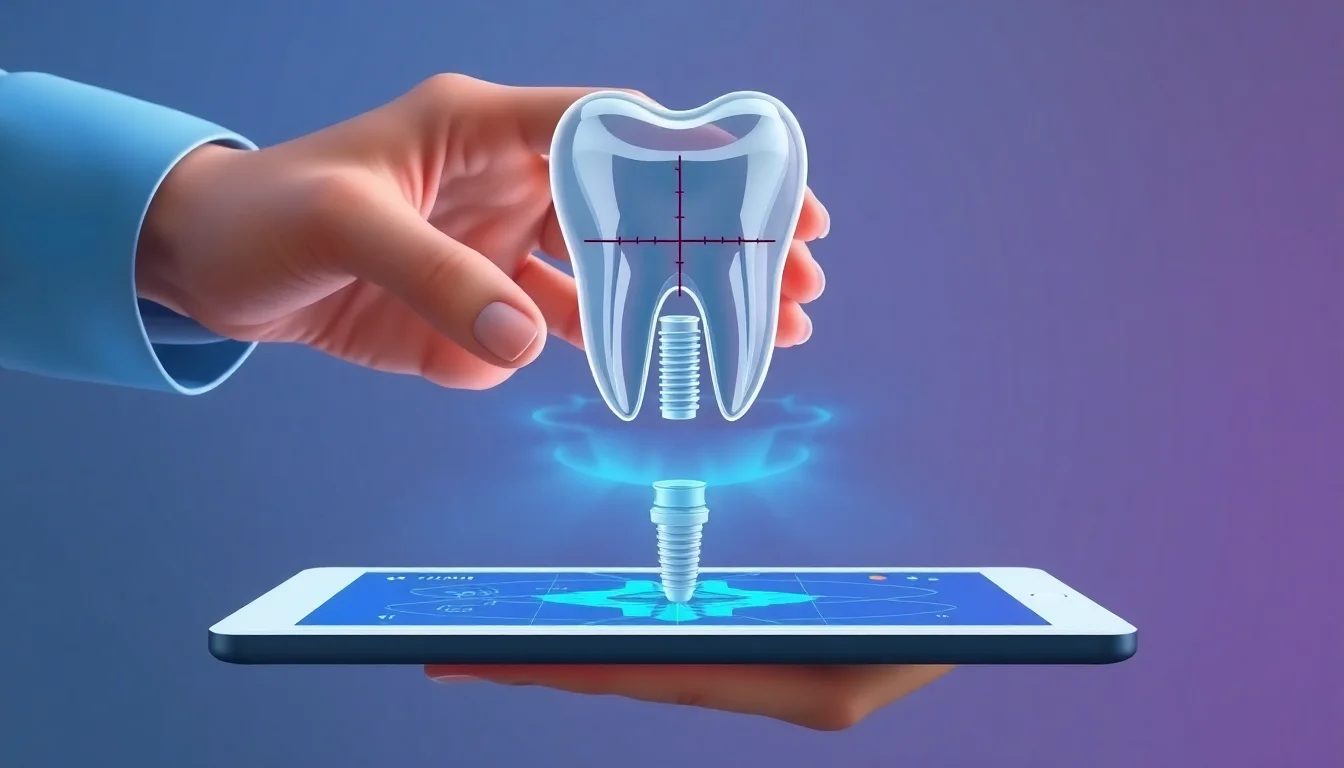
Guided Dental Implant Surgery Explained: How 3D Planning Makes Implants Safer and More Precise in 2026
Guided dental implant surgery uses CBCT scans and computer-generated surgical guides to place implants with submillimeter precision before the first incision is made. It reduces surgical risk, shortens recovery, and produces more predictable outcomes than freehand techniques. Here is exactly how the process works and why it matters for patients in 2026.
Emergency Dentist in Claremont, CA: What to Do and Where to Go for Same-Day Care
A dental emergency can strike without warning, and knowing where to go in Claremont saves time, money, and teeth. This guide covers exactly what to do in the first critical minutes, how to choose the right provider, and why same-day care at a full-service practice beats the ER every time.